
This Is What Happens to Your Brain During and After Exercise
2 Feb 2026
2 Min Read
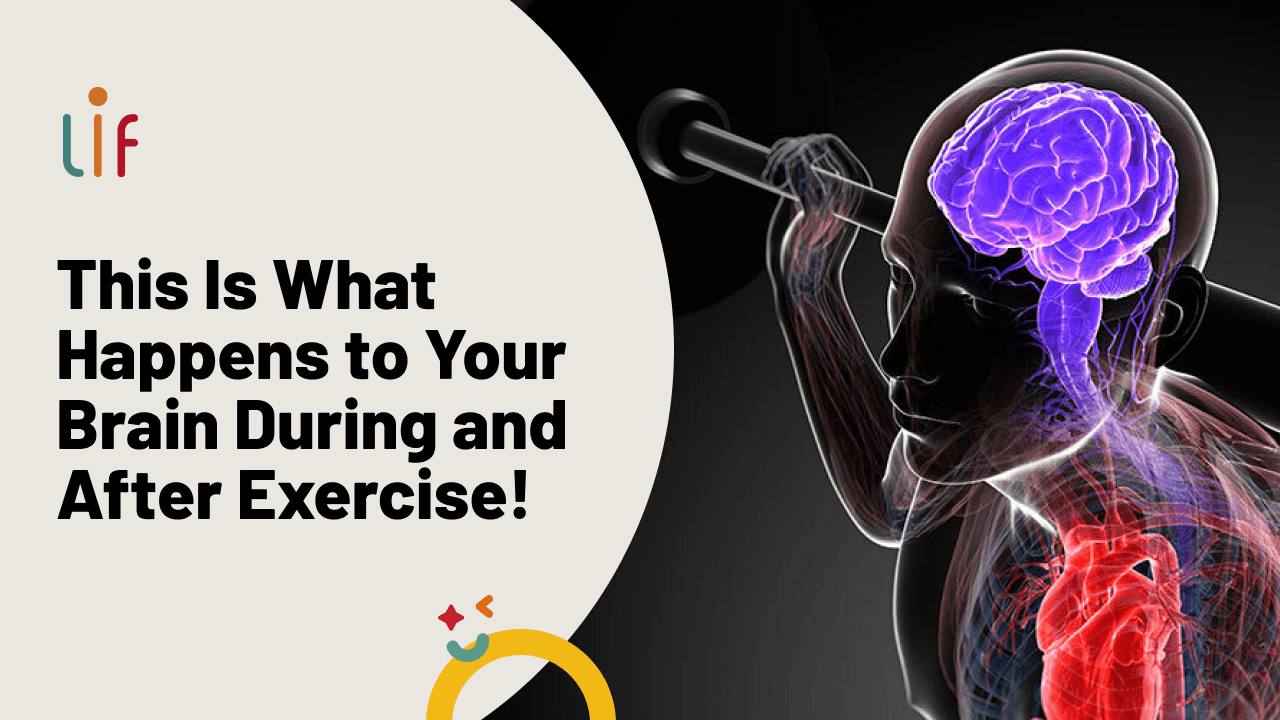
We often think that the benefits of exercise are shaping the body and losing weight. However, did you know that the benefits of exercise go beyond building muscles, as it also provides benefits for our brain?
The relationship between exercise and the brain is very strong because our body and mind work together to improve cognitive, emotional, and mental abilities.
So, do you know what happens to our brain when we exercise?
In the first 5 minutes after you start moving, your body enters the initial phase of exercise, during which your heart rate, breathing, and blood flow begin to increase. In this phase, your blood carries oxygen and nutrients to the brain to support the growth of new nerve cells.
After 20–30 minutes of exercise, your body releases “happy hormones” called endorphins. These hormones are released during moderate to high intensity activity as a response to stress occurring in your body. Endorphins create pleasant feelings and make you want to continue experiencing that sense of happiness. That’s why it’s not surprising if you feel happy after exercising.
After you finish exercising, your body will also react to the workout you’ve done!
About 60 minutes after exercise, your body releases a protein called BDNF, a chemical that helps the brain function well, especially in improving cognition, memory, and mental health. Based on research conducted in Italy, this chemical can be released after doing HIIT (High-Intensity Interval Training), but it does not last long. Therefore, you need to exercise regularly so your body can continue to release this chemical.
Between 2–4 hours after exercise, the body releases hormones such as serotonin, dopamine, and norepinephrine, which are also very beneficial for our body. For example, serotonin can improve depression and negative feelings. Norepinephrine helps you become more focused on tasks, and dopamine provides a sense of satisfaction and improves your mental state.
After 12 weeks of regular exercise, the body will consistently release the BDNF protein if you do activities such as jogging, swimming, Zumba, or HIIT for at least three months. If at the beginning BDNF helped improve your focus and concentration, at this stage it will influence your brain size. The size of the hippocampus (the part of the brain that regulates learning and memory) will increase, in line with the function of BDNF in sharpening your memory.
If you’ve been feeling more forgetful lately, it might be time to start exercising.
Exercise not only provides physical benefits but also brings many advantages to brain health. From improving mood and strengthening neural connections, to reducing stress and boosting creativity, so don’t hesitate to move and stay active every day. Your brain will thank you!