Content
The Importance of Consuming High-Fiber Foods
2 Feb 2026
3 Min Read
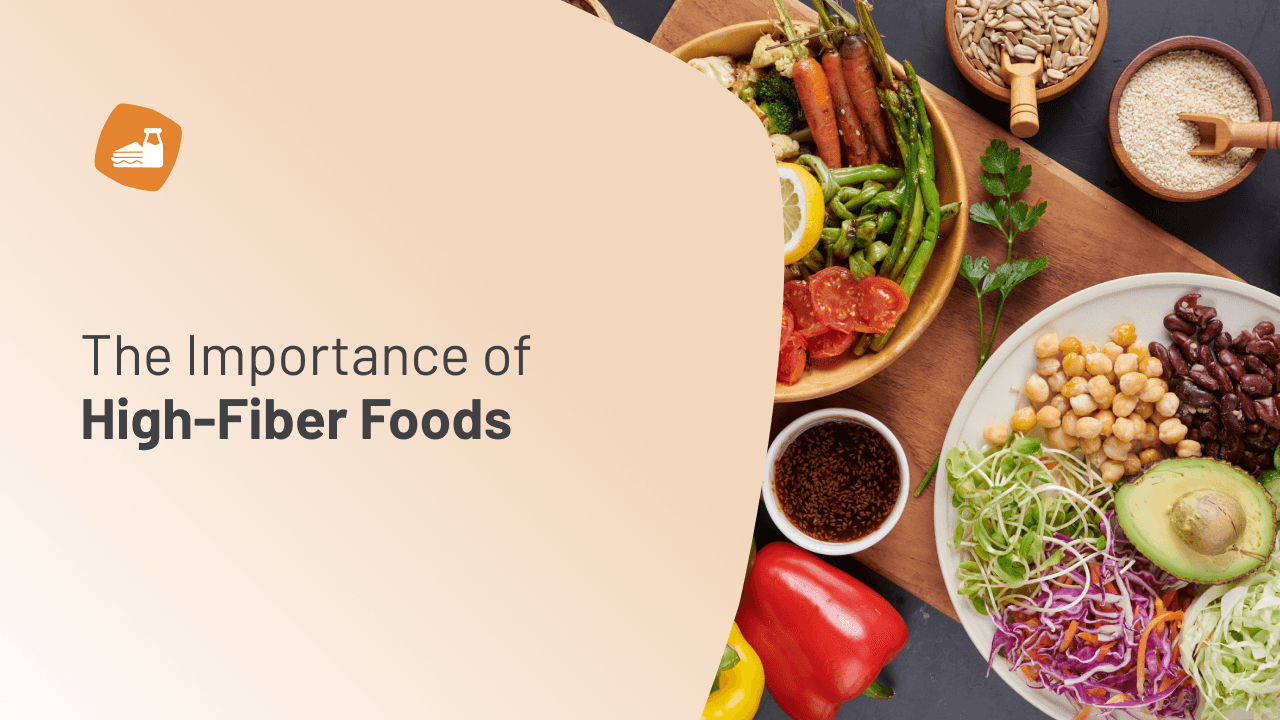
As you may already know, high-fiber foods are commonly found in vegetables and fruits, because fiber is part of the structure of plants. Fiber is a type of carbohydrate that cannot be digested by the body. The body is unable to break fiber down into simpler molecules due to the absence of enzymes needed to digest it. Even though fiber cannot be digested or absorbed, the body still needs it because of its many health benefits.
High-fiber foods generally have a lower energy density. This means that, for the same weight, high-fiber foods contain fewer calories compared to low-fiber foods. This is why you tend to feel fuller when consuming high-fiber foods.
When you eat high-fiber foods, fiber forms a gel in the body that can slow gastric emptying, helping you feel full for a longer time. In addition, fiber intake affects the release of hormones that regulate appetite.
Consuming high-fiber foods also influences the beneficial bacteria in the gut. These good bacteria send signals to the brain and can affect the release of appetite-regulating hormones.
There are two types of fiber, soluble fiber and insoluble fiber. Each with different functions in the body:
1. Soluble Fiber
Soluble fiber mixes with the fluids you consume and forms a gel in the digestive tract. This gel creates a layer in the intestines that affects sugar absorption, potentially preventing spikes in blood sugar levels. Therefore, this type of fiber can help protect against diabetes. Soluble fiber is also easily fermented by beneficial gut bacteria. It is commonly found in oats, legumes, oranges, apples, and berries.
2. Insoluble Fiber
Insoluble fiber helps move food through the digestive system, supporting regular digestion and preventing constipation. This type of fiber can also slow gastric emptying, helping you feel full for longer. Insoluble fiber is commonly found in whole grains, seeds, and vegetables.
How Much Fiber Does the Body Need?
Fiber requirements vary by age and gender. Men generally need around 27–32 grams of fiber per day, while women need approximately 25–32 grams per day.
How Can You Meet Your Fiber Needs?
Below are examples of different types of fiber sources that you can consume:
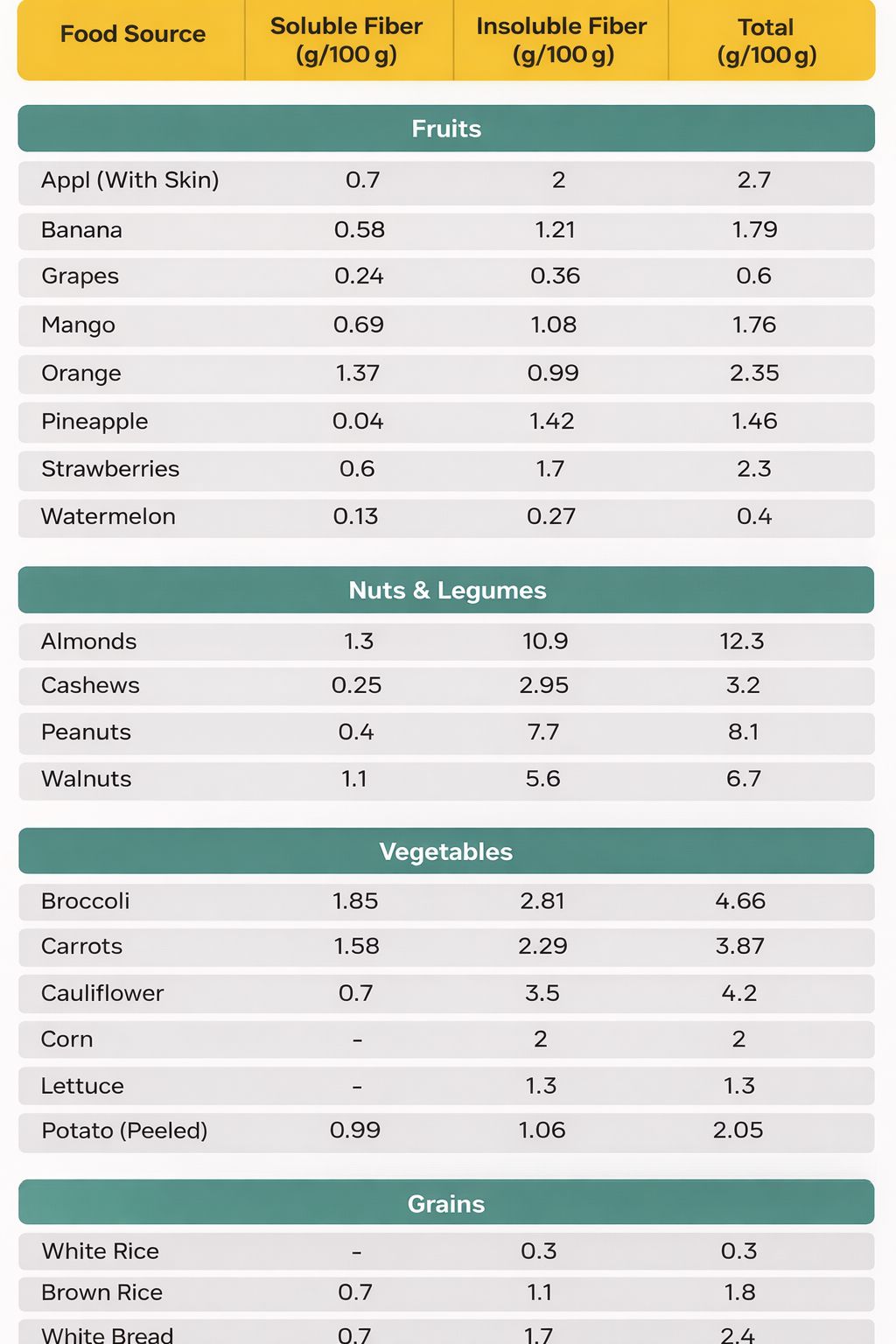
There are many sources of dietary fiber you can include in your daily meals. Although there are instant ways to increase fiber intake, such as supplements, high-fiber drinks, or packaged fruit juices, these products often contain higher amounts of sugar and less fiber than expected. It is better to consume natural, fiber-rich foods to meet your daily fiber needs.
Don’t forget to balance high-fiber intake with sufficient fluid consumption and overall balanced nutrition to support optimal health.